CHARLES-ISAAC DENYS
Lyric Tenor
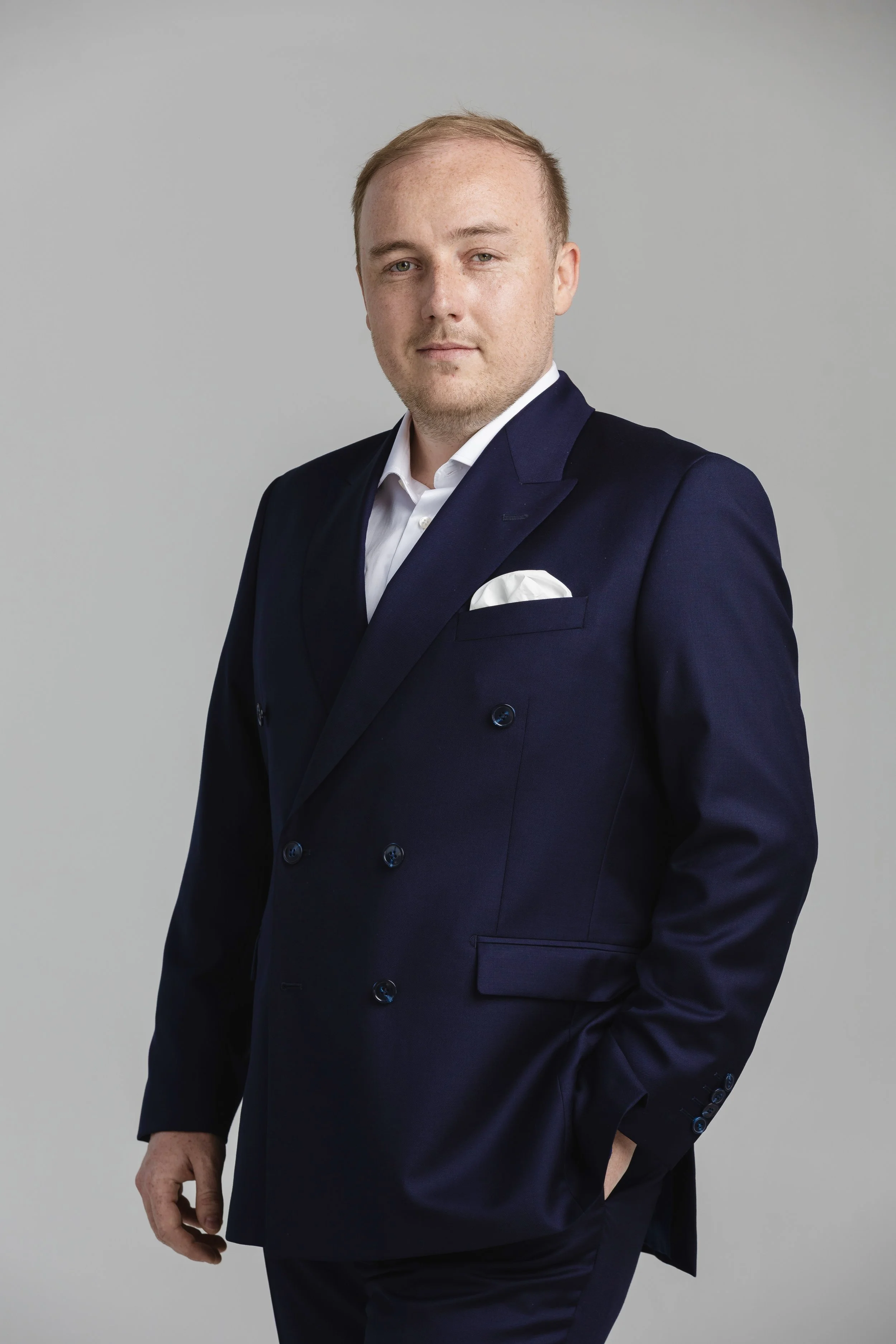
French lyric tenor Charles-Isaac Denys is steadily building a career marked by artistic depth and international recognition. He is a prize-winner of several prestigious competitions, including the Enrico Caruso Competition in Sorrento (3rd Prize, 2023), the Ruggero Leoncavallo Competition in Montalto Uffugo (2nd Prize, 2023), and the Mattia Battistini Competition in Rieti, where he was awarded the Iolanda Magnoni Special Prize in 2024. Together, these honors reflect the steady growth of an artist increasingly recognized among the new generation of French lyric tenors.
His musical formation took place at the Conservatorio di Musica “Santa Cecilia” in Rome, where he completed both his Bachelor’s degree (2021–2024) and Master’s degree (2024–2025) under the guidance of Michela Sburlati. He has further refined his artistry through additional studies with renowned figures in the field, including John Norris, Deborah Birnbaum, Pierre Vallet, Matthew Epstein, and Jack Waltzer — collaborations that have shaped both his technical command and his interpretive sensibility. He is fluent in French, English, and Italian, a versatility that allows him to move naturally between repertoires and international stages.
On the operatic stage, his repertoire already spans several cornerstone roles: Rodolfo in Puccini’s La Bohème and Faust in Gounod’s Faust, each approached with a sensitivity and dramatic depth that speak to his growing maturity as a performer. The 2024–2025 season marked a significant milestone, with his role debut as Don José in Bizet’s Carmen on tour in Italy. This momentum continues into the 2025–2026 season with the world premiere of Meacci’s Cleopatra, in which he creates the role of Marco-Antonio at Teatro Palladium in Rome and Teatro Politeama in Catanzaro.
Alongside his operatic engagements, Charles-Isaac Denys is an active concert soloist, regularly performing major works of the sacred repertoire, including Puccini’s Messa di Gloria and Mozart’s Requiem, in venues across Rome and beyond. This dual path — opera and concert — reflects a versatile artist equally at ease in dramatic stagecraft and the more intimate demands of the concert platform.
Looking ahead, Charles-Isaac Denys is currently preparing several major new roles, including Lensky in Tchaikovsky’s Eugene Onegin and the title role in Massenet’s Werther, as well as building his repertoire as an Italian tenor with an eye toward Strauss’s Der Rosenkavalier. This ongoing preparation reflects an artist with a clear sense of direction — one whose career is defined not only by early achievements, but by a sustained commitment to growth and depth.